Ranch & Agricultural Insurance — Wickenburg, AZ
Ranch & Agricultural Insurance in Wickenburg, AZ
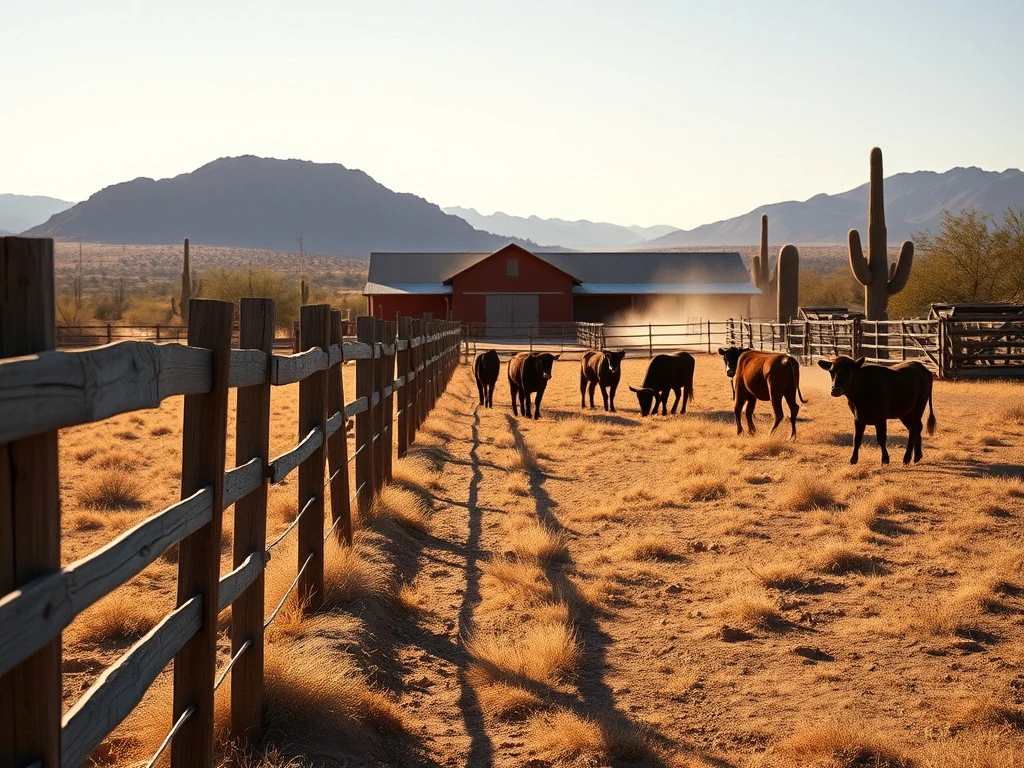
Wickenburg has been ranch country since before it was a town. Coverage built for the property, the animals, and the liability that comes with working land in the high desert.
Why Ranch Insurance Looks Different in Wickenburg
Wickenburg was built on ranching before it was built on anything else. Long before the town became known regionally as the Dude Ranch Capital, working cattle ranches and homesteads spread across the desert grassland between the Hassayampa River and the surrounding mountains. That heritage is still visible today in the working ranches, small horse-and-cattle operations, and hobby-farm properties scattered across Wickenburg, Congress, Morristown, and Wittmann.
A standard homeowners policy was never built for this kind of property. It doesn't know what to do with a barn, a hay shed, perimeter fencing across several acres, farm equipment, or the liability exposure that comes with keeping livestock. Ranch and agricultural insurance is a separate, purpose-built policy type — and getting it wrong (or skipping it and hoping a homeowners policy will stretch to cover it) is one of the most common coverage gaps we see in this market.
What a Ranch & Agricultural Policy Actually Covers
A ranch or farm policy is built in layers, and which layers you need depends on whether the property is a working operation, a hobby ranch, or a residence with a few acres and some animals attached. We size the policy to the actual operation rather than selling a one-size package.
- Farm dwelling and outbuildings — the home plus barns, hay storage, equipment sheds, and other structures beyond what a standard homeowners policy treats as "other structures"
- Fencing and corrals — perimeter and cross-fencing coverage sized for acreage, not a suburban-lot default
- Farm equipment and machinery — tractors, trailers, irrigation equipment, and other tools tied to the operation
- Livestock coverage — cattle, horses, and other animals, against named perils like fire, lightning, and theft
- Liability — coverage if a visitor, contractor, or a neighbor's property is injured or damaged by ranch operations or animals
- Care, custody, and control — coverage gaps that open up when you're boarding, training, or otherwise responsible for animals you don't own
Desert Ranching Risk: Drought, Wildfire, and Water
Ranching in the Sonoran Desert around Wickenburg carries a specific risk profile that differs from ranch country in wetter parts of the country. Rangeland grasses cure out dry for most of the year, which means grass fires and brush fires are a real seasonal risk, particularly in the dry pre-monsoon months of late spring and early summer. Water rights and well infrastructure are also a genuine operating concern for agricultural property here in a way they simply aren't in higher-rainfall regions — a policy that doesn't account for well and irrigation equipment leaves a real gap.
We don't dramatize this risk, but we don't ignore it either. Part of building a right-sized ranch policy is having an honest conversation about your specific parcel: how it's fenced, where water comes from, what outbuildings exist, and what you'd actually need to keep the operation running after a loss.
Working Ranch vs. Hobby Ranch vs. Rural Residence
Not every property with a horse and some fencing needs a full commercial farm policy, and not every quiet acreage outside Wickenburg is a "hobby." Carriers draw real distinctions between a working operation that generates income (selling cattle, boarding horses for a fee, running a guest operation) and a rural residential property that happens to have animals and outbuildings for personal use. Getting that classification right matters — misclassifying a property (in either direction) either leaves you underinsured or has you paying for commercial coverage you don't need.
As an independent agency, we ask the questions that determine the right classification up front: is anything on the property generating income, are you boarding or training animals that belong to someone else, and what does the property actually look like on the ground. That conversation shapes the whole policy.
Liability: The Part Most People Underestimate
Livestock liability is the piece of ranch insurance most people underestimate until something happens — an animal gets loose onto a road, a visitor is injured near a corral, or a fence fails and cattle end up on a neighbor's property. Arizona is an open-range state in unincorporated areas in some circumstances, which changes how liability for loose livestock can be assessed compared to states with universal fencing-out laws — a nuance a generic national policy quote engine often misses entirely for a Wickenburg-area property.
A right-sized liability limit, plus an honest look at how your fencing and containment actually function day to day, is worth more than almost any other single line item on a ranch policy.
Getting a Quote
Quoting a ranch or agricultural property well takes a short, specific conversation: acreage, what structures exist beyond the home, what livestock (if any) is kept, whether anything on the property generates income, and what your fencing and water setup looks like. If you have a current policy, send the declarations page and we'll compare it line by line rather than hand you a single mystery number.
Call 844-967-5247 or email josh@contractorschoiceagency.com to start. We serve Wickenburg, Congress, Morristown, Wittmann, Yarnell, and Aguila as our primary area.
Ranch & Agricultural FAQs
Honest answers before you switch
In almost every case you need a separate ranch or farm policy. Standard homeowners policies exclude or sharply limit coverage for barns beyond a basic outbuilding allowance, farm equipment, and livestock, and they generally exclude liability tied to keeping animals for anything beyond a typical household pet.
A working ranch policy applies when the property generates income — selling livestock, boarding or training animals for a fee, running an agricultural operation. A hobby-farm or rural-residence policy fits a property with animals and outbuildings for personal, non-income use. Misclassifying either direction creates real coverage gaps, so we walk through this with every quote.
Yes, when written correctly — fencing and corral coverage should be sized to your actual acreage and layout, not treated as a generic "other structures" line the way a homeowners policy would handle a suburban shed.
This is a liability exposure ranch policies are built to address. Arizona's open-range provisions in some unincorporated areas change how liability for loose livestock can be assessed compared to universal fencing-out states, which is exactly the kind of local nuance a generic national quote engine tends to miss for a Wickenburg-area property.
Yes — call 844-967-5247 or email josh@contractorschoiceagency.com and we'll walk through your property and shop it across carriers at no cost.
Wickenburg living deserves coverage that actually gets it.
Independent, local-minded insurance for ranch and ag property, historic homes, off-road vehicles, and everyday life in Arizona's Best Western Town.